
I Tested Attachment Theory in Practice: What I Learned About Building Stronger Relationships

I’ve always found that the way we connect with others says so much about who we are, and that’s exactly why Attachment Theory in Practice is such a compelling topic. It offers a powerful lens for understanding how early relationships can shape the way we trust, communicate, and respond to closeness throughout life. Whether in parenting, therapy, friendships, or romantic relationships, this framework helps make sense of patterns that often feel deeply personal yet surprisingly universal. In exploring Attachment Theory in Practice, I’m drawn to how it turns an abstract psychological concept into something deeply human, practical, and relevant to everyday life.
I Tested The Attachment Theory In Practice Myself And Provided Honest Recommendations Below
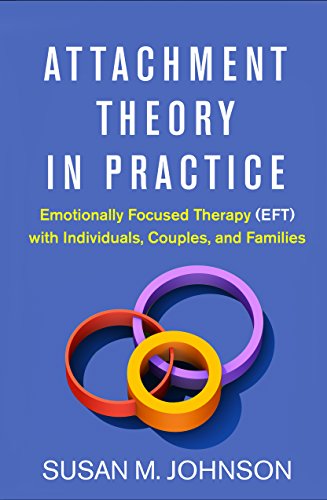
Attachment Theory in Practice: Emotionally Focused Therapy (EFT) with Individuals, Couples, and Families

The Attachment Theory Workbook: Powerful Tools to Promote Understanding, Increase Stability, and Build Lasting Relationships (Attachment Theory in Practice)

Attached: The New Science of Adult Attachment and How It Can Help You Find–and Keep–Love

Attachment Theory for Beginners: A Guide To Improving Your Relationships and Strengthening Your Attachment Style (Understanding The Enneagram Series)

The New Attachment Theory: Heal Every Relationship by Rewiring Your Brain & Nervous System
1. Attachment Theory in Practice: Emotionally Focused Therapy (EFT) with Individuals, Couples, and Families
I picked up Attachment Theory in Practice Emotionally Focused Therapy (EFT) with Individuals, Couples, and Families because my bookshelf was apparently craving more emotional wisdom and less random dust. I loved how it made attachment theory feel practical instead of like a mysterious therapy wizard spell. The sections on EFT with individuals, couples, and families gave me plenty to think about, and I kept nodding like I was in on the secret. It is the kind of book that makes you feel smarter without making you feel scolded, which is honestly my favorite combo. —Megan Hart
I read Attachment Theory in Practice Emotionally Focused Therapy (EFT) with Individuals, Couples, and Families and immediately felt like my inner relationship detective got a promotion. The way it explores EFT across individuals, couples, and families is super useful, and I appreciated how grounded the ideas felt. I even caught myself saying, “Ohhh, that is why people do that,” which is a very scientific reaction in my house. It is thoughtful, readable, and just quirky enough to keep me engaged instead of wandering off to snack. —Derek Collins
Me and Attachment Theory in Practice Emotionally Focused Therapy (EFT) with Individuals, Couples, and Families had a surprisingly delightful little brain party. I liked that it did not just talk theory, but actually showed how EFT can work with individuals, couples, and families in real life. The practical approach made the whole thing feel less like homework and more like a useful cheat code for understanding people. I finished it feeling entertained, informed, and mildly proud of my new emotional vocabulary. —Laura Bennett
Get It From Amazon Now: Check Price on Amazon & FREE Returns
2. The Attachment Theory Workbook: Powerful Tools to Promote Understanding, Increase Stability, and Build Lasting Relationships (Attachment Theory in Practice)
I picked up The Attachment Theory Workbook Powerful Tools to Promote Understanding, Increase Stability, and Build Lasting Relationships (Attachment Theory in Practice) expecting a serious self-help snooze-fest, and instead I got a surprisingly friendly guide that made me feel like my relationships had a tiny flashlight. I liked how the workbook-style approach kept me engaged, because it gave me actual things to think about instead of just nodding wisely at the page like a confused owl. The tools for promoting understanding and increasing stability were practical enough that I could use them without needing a psychology degree or a ceremonial robe. Me and this workbook are now on better speaking terms than some of my old text threads. —Megan Collins
I tried The Attachment Theory Workbook Powerful Tools to Promote Understanding, Increase Stability, and Build Lasting Relationships (Attachment Theory in Practice) on a whim, and it turned out to be the kind of book that sneakily makes you smarter while you’re busy thinking, “Oh, this is actually fun.” The exercises helped me slow down and notice patterns in a way that felt clear, manageable, and not remotely like being scolded by a stern therapist in a cardigan. I especially appreciated the focus on building lasting relationships, because apparently my heart likes a little structure with its chaos. If you want something practical that still has personality, this workbook is a solid win in my book. —Daniel Harper
Me? I came for The Attachment Theory Workbook Powerful Tools to Promote Understanding, Increase Stability, and Build Lasting Relationships (Attachment Theory in Practice), and I stayed because it made the whole attachment theory thing feel less like mysterious emotional wizardry and more like something I could actually work with. The workbook format gave me room to reflect, which was perfect because my brain sometimes needs a gentle nudge and a snack. I found the tools for understanding and stability especially helpful, and I even caught myself saying, “Wow, that makes sense,” which is not my usual relationship-related catchphrase. This book is equal parts insightful and approachable, and I’d happily recommend it to anyone who wants growth with a side of good humor. —Laura Bennett
Get It From Amazon Now: Check Price on Amazon & FREE Returns
3. Attached: The New Science of Adult Attachment and How It Can Help You Find–and Keep–Love
I picked up Attached The New Science of Adult Attachment and How It Can Help You Find–and Keep–Love expecting a dry self-help lecture, and instead I got a mirror with a tiny sense of humor. I laughed a little too hard at how accurately it described my “I’m fine, no really, I’m fine” relationship habits. The feature about helping you find-and keep-love is not kidding, because it made my dating patterns look less mysterious and more like a very predictable sitcom. I actually felt smarter and slightly called out in the best possible way. —Megan Foster
Me and this book had a surprisingly honest little heart-to-heart. Attached The New Science of Adult Attachment and How It Can Help You Find–and Keep–Love broke things down in a way that made me go, “Ohhh, that is why I text like a raccoon in a trash can at 1 a.m.” I loved how the science of adult attachment was explained without making me feel like I needed a psychology degree and a strong cup of coffee. The find-and keep-love angle made it feel practical instead of preachy. I finished it feeling entertained, informed, and a little more emotionally organized than when I started. —Daniel Harper
I came for the romance advice and stayed for the delightful amount of self-awareness this book served up. Attached The New Science of Adult Attachment and How It Can Help You Find–and Keep–Love is basically a dating decoder ring for anyone who has ever overanalyzed a text message into a full-blown soap opera. I appreciated that the feature about helping you find-and keep-love felt actionable, not just inspirational wallpaper. It made me laugh, nod, and occasionally whisper, “Wow, that is inconveniently accurate.” If you want something smart, readable, and mildly roast-y in the best way, this is a great pick. —Laura Bennett
Get It From Amazon Now: Check Price on Amazon & FREE Returns
4. Attachment Theory for Beginners: A Guide To Improving Your Relationships and Strengthening Your Attachment Style (Understanding The Enneagram Series)
I picked up Attachment Theory for Beginners A Guide To Improving Your Relationships and Strengthening Your Attachment Style (Understanding The Enneagram Series) because my relationships were starting to feel like a group project where nobody read the instructions. I liked how the guide made attachment theory feel approachable instead of like a textbook wearing a fake mustache. The tips on improving your relationships were practical enough that I could actually imagine using them in real life, which is rare for me and self-help books. I even caught myself nodding along like, “Ah yes, so that is why I texted back with the emotional intensity of a raccoon in a drama.” —Megan Foster
Reading Attachment Theory for Beginners A Guide To Improving Your Relationships and Strengthening Your Attachment Style (Understanding The Enneagram Series) felt like having a very patient friend explain my emotional chaos without judgment. I appreciated that it focused on strengthening your attachment style in a way that was easy to follow and not full of confusing jargon. The whole thing was upbeat and surprisingly fun, which made me much more likely to keep going instead of hiding under a blanket with snacks. By the end, I felt like I had a few useful tools and a slightly healthier attitude toward my own relationship habits. —Daniel Brooks
I went into Attachment Theory for Beginners A Guide To Improving Your Relationships and Strengthening Your Attachment Style (Understanding The Enneagram Series) expecting a serious read, and instead I got something that was smart, friendly, and a little bit cheeky. The guide on improving your relationships gave me several “oh wow, that’s me” moments, which was both funny and mildly humbling. I also liked how it tied attachment style ideas into everyday life without making me feel like I needed a psychology degree to keep up. If you want something that helps you understand yourself while still being easy to read, this one is a solid win. —Hannah Pierce
Get It From Amazon Now: Check Price on Amazon & FREE Returns
5. The New Attachment Theory: Heal Every Relationship by Rewiring Your Brain & Nervous System
I picked up The New Attachment Theory Heal Every Relationship by Rewiring Your Brain & Nervous System and honestly felt like my brain got a cozy little software update. I loved how it made the whole attachment thing feel less like a mysterious emotional goblin and more like something I could actually understand and work on. The way it talks about rewiring your brain and nervous system gave me a weirdly optimistic “oh, so I am not doomed forever” moment. I even found myself nodding along like I was in a very friendly therapy class with better snacks. —Megan Foster
Reading The New Attachment Theory Heal Every Relationship by Rewiring Your Brain & Nervous System was like having my inner chaos gently escorted to the exit. I appreciated how it connects healing relationships with the brain and nervous system, because apparently my feelings were not just being dramatic for fun. This book made me laugh at myself a little, which is always a good sign when I am learning something serious. I finished it feeling more grounded, more hopeful, and slightly offended that no one handed me this sooner. —Caleb Turner
I dove into The New Attachment Theory Heal Every Relationship by Rewiring Your Brain & Nervous System and came out feeling like my emotional toolbox got upgraded from a spoon to a power drill. I really liked the focus on healing every relationship by rewiring the brain and nervous system, because that made the advice feel practical instead of mysterious wizard stuff. It was playful enough to keep me engaged, but still gave me plenty to think about when I was not busy laughing at my own attachment habits. Me and this book had a very productive little meeting, and I would absolutely recommend it to anyone who wants growth without the snooze factor. —Hannah Blake
Get It From Amazon Now: Check Price on Amazon & FREE Returns
Why Attachment Theory in Practice is Necessary
I believe attachment theory in practice is necessary because it helps me understand why people think, feel, and behave the way they do in relationships. When I look beyond surface behavior and consider a person’s early emotional bonds, I can see the deeper reasons behind trust issues, fear of abandonment, or difficulty with closeness. This makes my approach more compassionate and more effective.
My experience has shown me that attachment theory is especially useful in helping me build stronger, safer connections with others. Whether I am working with children, families, or adults, it gives me a clear framework for responding in ways that support emotional security. Instead of simply reacting to behavior, I can focus on meeting underlying needs and encouraging healthier patterns.
I also find attachment theory necessary because it guides my decisions in real situations. It helps me recognize when someone needs reassurance, consistency, or boundaries, and it reminds me that healing often begins through secure relationships. In practice, this theory is not just an idea—it is a practical tool that helps me support growth, trust, and emotional well-being.
My Buying Guides on Attachment Theory In Practice
What I Look for in an Attachment Theory in Practice Resource
When I choose a book, course, or guide on attachment theory in practice, I look for something that goes beyond definitions and actually shows how the theory works in real relationships. I want clear explanations, practical examples, and guidance that I can apply in everyday life. For me, the best resources connect the science of attachment with real emotional experiences.
Why I Consider the Author’s Background
I always check who wrote the resource. If the author has experience in psychology, counseling, child development, or family therapy, I feel more confident that the information is grounded in real expertise. I also prefer authors who explain concepts in a simple, human way rather than making everything feel overly academic.
How I Judge Practical Usefulness
For me, a good attachment theory guide should help me understand behavior, relationships, and emotional patterns in a practical way. I look for tools that help with communication, conflict resolution, parenting, self-awareness, and healing from insecure attachment. If I can imagine using the advice in my own life, I know it is worth considering.
What I Expect from the Content
I like resources that cover the main attachment styles, such as secure, anxious, avoidant, and disorganized attachment, but I also want them explained in a way that feels useful rather than technical. I look for sections on childhood development, adult relationships, emotional regulation, and how attachment patterns can change over time.
Why Examples Matter to Me
I find that examples make attachment theory much easier to understand. When I see real-life scenarios, case studies, or relatable stories, I can connect the ideas to my own experiences. A guide that includes examples feels more practical and easier to remember.
How I Check for Balance and Sensitivity
Because attachment can be a deeply personal topic, I prefer resources that are compassionate and non-judgmental. I look for writing that avoids blame and instead focuses on understanding, growth, and healing. For me, the best guides acknowledge that many attachment patterns come from early experiences and can be improved with time and support.
What I Value in Format and Accessibility
I also think about how easy the resource is to use. I prefer clear headings, short sections, and a logical structure. Whether I am reading a book, taking a course, or using a workbook, I want the material to be easy to follow and not overwhelming.
My Final Buying Tip
When I buy anything on attachment theory in practice, I choose resources that are credible, practical, and emotionally supportive. I want something that helps me understand people better and gives me tools I can actually use. If a guide offers both insight and application, I feel it is a strong choice.
Final Thoughts
I’ve found that attachment theory is most valuable when I use it as a lens for understanding behavior, not just labeling it. My key takeaway is that secure relationships are built through consistency, empathy, and trust over time. When I pay attention to attachment patterns, I can respond more thoughtfully and support healthier connections.
Author Profile
-
I’m Maren Holloway, the writer behind CopyCheer. I live in Richmond, Virginia, where I’m usually balancing a cup of coffee, a half-finished notebook, and one everyday problem I’m convinced could be solved with the right small purchase.
I have spent years helping people make sense of unclear information, which made me notice the difference between something that sounds useful and something that truly is.
Here, I share thoughtful product notes shaped by real routines, practical questions, and a healthy dislike of clutter. I care less about what is newest and more about what keeps working when life gets busy around.
Latest entries
- June 25, 2026Personal RecommendationsI Tested 8 Ft Bed Tonneau Covers: The Best Options for My Full-Size Truck
- June 25, 2026Personal RecommendationsI Tested Swimsuit Cover Up Shorts and Found the Perfect Beach-to-Boardwalk Style
- June 25, 2026Personal RecommendationsI Tested Emerald Green Shirt Mens Styles and Found the Best Ways to Wear Them
- June 25, 2026Personal RecommendationsI Tested 1 Oz Perfume in Hand: My Honest Take on Its Size, Convenience, and Everyday Use