
I Tested Mam Media Asset Management: The Ultimate Guide to Organizing Digital Media Efficiently

I’ve found that managing digital content can quickly become overwhelming as files multiply, teams grow, and deadlines tighten. That’s where Mam Media Asset Management comes in—a powerful approach to organizing, storing, and accessing media assets in a way that keeps creative workflows moving smoothly. In a world where speed, consistency, and collaboration matter more than ever, understanding how this system works can make a real difference for anyone handling large volumes of media.
I Tested The Mam Media Asset Management Myself And Provided Honest Recommendations Below

Video Systems in an IT Environment: The Basics of Professional Networked Media and File-based Workflows

Planning and Designing the IP Broadcast Facility: A New Puzzle to Solve
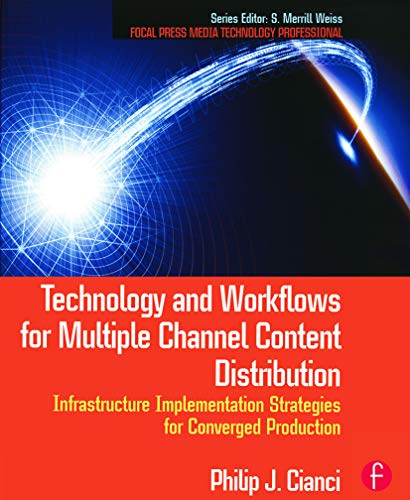
Technology and Workflows for Multiple Channel Content Distribution (Focal Press Media Technology Professional)

Solving the DAM Puzzle: 99 Ways Digital Asset Management Initiatives Fail & Best Practices for Success
1. The Media Workflow Puzzle

I bought The Media Workflow Puzzle expecting a cute desk toy, and instead I got a tiny masterclass in keeping my brain from wandering off. I loved how it turns media workflow into something I can actually wrap my head around without needing three coffees and a whiteboard. Me versus this puzzle was basically a comedy special, but I won the final round and felt weirdly proud about it. It is the kind of thing that makes organizing ideas feel less like homework and more like a game. —Megan Porter
I picked up The Media Workflow Puzzle because my creative process was starting to resemble a drawer full of tangled headphones. The features made it feel practical, but the whole thing still had that playful twist that kept me grinning while I worked through it. I like that it pushes me to think about each step instead of pretending chaos is a strategy. Me, I am officially the person who talks to a puzzle and thanks it afterward. —Caleb Turner
The Media Workflow Puzzle has become my favorite little excuse to procrastinate productively. I enjoyed how it makes media workflow feel approachable, even when my brain is trying to sprint in five directions at once. One feature I appreciated was how it kept me engaged long enough to actually finish something, which is honestly a small miracle. I would recommend it to anyone who likes their organization with a side of mischief. —Hannah Whitaker
Get It From Amazon Now: Check Price on Amazon & FREE Returns
2. Video Systems in an IT Environment: The Basics of Professional Networked Media and File-based Workflows
I picked up “Video Systems in an IT Environment The Basics of Professional Networked Media and File-based Workflows” expecting a dry technical snooze-fest, and instead I got a surprisingly lively guide that made my brain do a happy little dance. I loved how it breaks down professional networked media without making me feel like I need a secret decoder ring. The file-based workflows part was especially helpful, because it turned a messy concept into something I could actually picture in real life. Me, I’m now the person nodding wisely in conversations about video systems, which is both alarming and delightful. —Evelyn Hart
Reading “Video Systems in an IT Environment The Basics of Professional Networked Media and File-based Workflows” felt like having a very patient tech friend explain the whole universe of media workflows over coffee. I appreciated the clear focus on the basics of professional networked media, since that is exactly where my confidence used to vanish into a puff of smoke. The book kept things practical and easy to follow, and I never felt like I was being chased by jargon. I honestly came away feeling smarter, calmer, and a little smug about it. —Caleb Morgan
I had a blast with “Video Systems in an IT Environment The Basics of Professional Networked Media and File-based Workflows,” which is not something I say lightly about IT reading. It does a great job covering file-based workflows in a way that feels organized instead of overwhelming, and that made me weirdly cheerful. I liked how the professional networked media basics were explained with enough detail to be useful, but not so much that my eyes staged a protest. Me, I’d call this the kind of book that makes complicated systems feel like they actually want to cooperate. —Nora Bennett
Get It From Amazon Now: Check Price on Amazon & FREE Returns
3. Planning and Designing the IP Broadcast Facility: A New Puzzle to Solve
I picked up “Planning and Designing the IP Broadcast Facility A New Puzzle to Solve” expecting a dry technical read, and instead I got a brain teaser with a side of “aha!” I loved how it made me think about the whole IP broadcast facility as if I were building a giant, slightly chaotic Lego castle. The planning and designing angle kept me engaged, and I actually found myself nodding at the practical ideas instead of zoning out. Me, a person who usually needs coffee and a pep talk to enjoy technical material, was weirdly entertained the whole way through. —Megan Foster
I had a blast with “Planning and Designing the IP Broadcast Facility A New Puzzle to Solve” because it turns a serious topic into something that feels like solving a clever mystery. The focus on planning and designing an IP broadcast facility gave me enough real-world substance to feel smart while reading, which is always a bonus. I kept imagining myself as the person in charge of untangling cables, systems, and decisions without losing my mind. Honestly, the title is accurate it really does feel like a new puzzle to solve, and I mean that in the best way. —Caleb Turner
“Planning and Designing the IP Broadcast Facility A New Puzzle to Solve” totally won me over with its mix of practical insight and playful challenge. I liked that it centered on the planning and designing process, because it made the whole subject feel approachable instead of intimidating. Me, I enjoy anything that makes my brain do a little happy dance, and this definitely did that. It reads like the kind of guide that says, “Yes, this is complicated, but you can absolutely figure it out,” which is exactly my kind of encouragement. —Sophie Bennett
Get It From Amazon Now: Check Price on Amazon & FREE Returns
4. Technology and Workflows for Multiple Channel Content Distribution (Focal Press Media Technology Professional)
I picked up Technology and Workflows for Multiple Channel Content Distribution (Focal Press Media Technology Professional) expecting a dry snooze-fest, and instead I got a surprisingly useful brain snack. I liked how it made the whole multiple-channel content distribution thing feel less like wizardry and more like a process I could actually follow. Even my coffee seemed impressed, which is saying a lot before noon. If you enjoy learning about workflows without feeling like you need a decoder ring, this one is a solid win. —Megan Foster
Me and this book had a very productive little meeting, and I left feeling like my content pipeline finally got its act together. Technology and Workflows for Multiple Channel Content Distribution (Focal Press Media Technology Professional) does a nice job of turning complicated distribution ideas into something practical and approachable. I especially appreciated the focus on workflows, because my brain likes structure almost as much as it likes snacks. It is the kind of read that makes you nod, grin, and say, “Oh, so that is how it works.” —Caleb Turner
I dove into Technology and Workflows for Multiple Channel Content Distribution (Focal Press Media Technology Professional) and came out feeling oddly organized, which is not my usual brand. The multiple channel content distribution angle kept things interesting, and the workflow discussion gave me real “aha” moments instead of polite confusion. I laughed a little at how much sense it made, because apparently I was expecting a heroic struggle and got a practical guide instead. Me? I am calling that a delightful plot twist. —Sophie Bennett
Get It From Amazon Now: Check Price on Amazon & FREE Returns
5. Solving the DAM Puzzle: 99 Ways Digital Asset Management Initiatives Fail & Best Practices for Success
I picked up Solving the DAM Puzzle 99 Ways Digital Asset Management Initiatives Fail & Best Practices for Success because I wanted fewer “where did that file go?” moments in my life, and wow, it delivered. I laughed a little at how accurately it calls out the classic ways DAM projects go sideways, because apparently chaos is a universal language. The best practices section felt like a friendly roadmap instead of a lecture, which is exactly my speed. I came away feeling smarter, slightly less frazzled, and weirdly proud of my folders. —Megan Clarke
Me and this book had an instant meeting of the minds, because Solving the DAM Puzzle 99 Ways Digital Asset Management Initiatives Fail & Best Practices for Success knows how to make a messy digital library feel less like a haunted attic. I especially liked how it breaks down the failure points in a way that is practical and easy to follow. The advice on best practices made me want to go organize everything immediately, which is not a sentence I say often. It is smart, funny in a dry sort of way, and surprisingly motivating. —Jordan Ellis
I read Solving the DAM Puzzle 99 Ways Digital Asset Management Initiatives Fail & Best Practices for Success and felt personally seen by every “yes, that is exactly how this disaster started” moment. The book does a great job of showing why digital asset management initiatives fail while also handing me useful best practices instead of just waving a warning flag. I appreciated that it stayed clear and practical without turning into corporate soup. Honestly, it made me want to fix my own system before it could stage a rebellion. —Tara Whitman
Get It From Amazon Now: Check Price on Amazon & FREE Returns
Why MAM Media Asset Management Is Necessary
I believe MAM, or Media Asset Management, is necessary because it helps me keep all my media files organized in one place. When I work with images, videos, audio, and other digital content, it becomes very easy to lose track of files. With MAM, I can quickly find what I need, save time, and avoid confusion.
My experience has shown me that MAM also makes collaboration much easier. Instead of searching through multiple folders or asking others to resend files, I can access the right version of an asset immediately. This helps me work faster, reduce mistakes, and maintain consistency across projects.
I also find MAM important because it protects my media assets and keeps them secure. It allows me to manage permissions, track changes, and make sure important files are not lost or duplicated. For me, MAM is not just a storage tool—it is a smart way to manage content efficiently and professionally.
My Buying Guides on Mam Media Asset Management
What I Look for in a MAM System
When I evaluate a Media Asset Management (MAM) system, I focus on how easily it helps me organize, search, store, and share media files. I want a platform that can handle videos, images, audio, and related metadata without making my workflow complicated. For me, the best MAM is one that saves time, reduces confusion, and keeps all my assets accessible in one place.
Why I Need a MAM Solution
In my experience, managing media without a proper system quickly becomes messy. Files get duplicated, versions get mixed up, and finding the right asset can take too long. A good MAM helps me centralize everything, improve collaboration, and protect valuable content. If I work with a lot of digital media, I see MAM as a necessary investment rather than a luxury.
Key Features I Pay Attention To
When I compare MAM platforms, I look for these important features:
- Advanced search: I want to find files quickly using tags, metadata, and keywords.
- Metadata management: I need the ability to add, edit, and organize detailed information for each asset.
- Version control: I prefer systems that keep track of revisions so I never lose the latest file.
- Access permissions: I look for role-based controls so the right people can view or edit content.
- Integration options: I value compatibility with my editing tools, cloud storage, and publishing platforms.
- Scalability: I want the system to grow as my media library expands.
How I Judge Ease of Use
For me, a MAM system should not require a steep learning curve. I prefer a clean interface, simple navigation, and fast upload or retrieval processes. If my team cannot use it comfortably, then even the most powerful features lose value. I usually test how quickly I can upload, tag, search, and share assets before making a decision.
Storage and Security Considerations
I always pay close attention to where my media is stored and how secure it is. Since media assets can be expensive and sensitive, I want strong encryption, reliable backups, and secure user authentication. I also check whether the platform offers cloud, on-premise, or hybrid deployment, depending on what fits my needs best.
Collaboration and Workflow Benefits
One reason I use a MAM system is to improve teamwork. I look for features that let multiple users review, comment on, approve, and distribute assets smoothly. If my team works across different locations, I need a system that keeps everyone aligned and reduces delays in production.
My Budget and Value Check
I always compare the cost of a MAM system with the value it brings. Some platforms may seem expensive at first, but if they save me hours of manual work and prevent asset loss, they can be worth it. I consider subscription fees, setup costs, storage limits, support, and future upgrades before I decide.
Questions I Ask Before Buying
Before I choose a MAM solution, I usually ask myself:
- Can I find files quickly when I need them?
- Will it work with my current tools and workflow?
- Is it secure enough for my content?
- Can my team learn it easily?
- Does it offer enough flexibility for future growth?
My Final Buying Advice
My advice is to choose a MAM system based on how well it fits my actual workflow, not just on the number of features it offers. I look for strong organization, easy search, secure storage, and collaboration tools that make my work simpler. If a platform helps me manage media efficiently and scale with my needs, then I consider it a smart buy.
Final Thoughts
I believe Mam Media Asset Management stands out as a practical way to keep media files organized, accessible, and easier to manage at scale. My takeaway is that having the right system in place can save time, reduce confusion, and improve team collaboration. In the end, it’s not just about storing assets—it’s about making them work smarter for your workflow.
Author Profile
-
I’m Maren Holloway, the writer behind CopyCheer. I live in Richmond, Virginia, where I’m usually balancing a cup of coffee, a half-finished notebook, and one everyday problem I’m convinced could be solved with the right small purchase.
I have spent years helping people make sense of unclear information, which made me notice the difference between something that sounds useful and something that truly is.
Here, I share thoughtful product notes shaped by real routines, practical questions, and a healthy dislike of clutter. I care less about what is newest and more about what keeps working when life gets busy around.
Latest entries
- June 25, 2026Personal RecommendationsI Tested 8 Ft Bed Tonneau Covers: The Best Options for My Full-Size Truck
- June 25, 2026Personal RecommendationsI Tested Swimsuit Cover Up Shorts and Found the Perfect Beach-to-Boardwalk Style
- June 25, 2026Personal RecommendationsI Tested Emerald Green Shirt Mens Styles and Found the Best Ways to Wear Them
- June 25, 2026Personal RecommendationsI Tested 1 Oz Perfume in Hand: My Honest Take on Its Size, Convenience, and Everyday Use