
I Tested 120 mm PC Fans: The Best Quiet, Cooling, and Budget Picks for My Build

When I started looking into PC cooling, I quickly realized how much difference a single component can make, and the 120 Mm Pc Fan stood out as one of the most practical and widely used options. Whether I’m thinking about airflow, noise levels, or overall system performance, this fan size keeps coming up as a reliable balance between efficiency and versatility. In this article, I’ll explore why the 120 Mm Pc Fan has become such a popular choice and what makes it an important part of keeping a computer running smoothly.
I Tested The 120 Mm Pc Fan Myself And Provided Honest Recommendations Below

ARCTIC P12 Pro PST – 5 Pack – Powerful Premium Fan, 120 mm PWM Fan with Y-Cable Splitter, 600-3000 RPM, 0 RPM <5% PWM, Fluid Dynamic Bearing, 4-Pin - Black
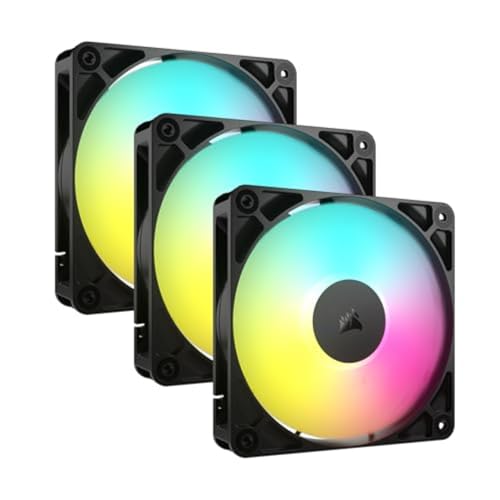
CORSAIR RS120 ARGB 120mm PWM Fans – Daisy-Chain Connection – Low-Noise – Magnetic Dome Bearing – Triple Pack – Black

ARCTIC P12 Pro – Powerful Premium Fan, 120 mm PWM Fan, 600-3000 RPM, 0 RPM <5% PWM, Fluid Dynamic Bearing, 4-Pin - Black
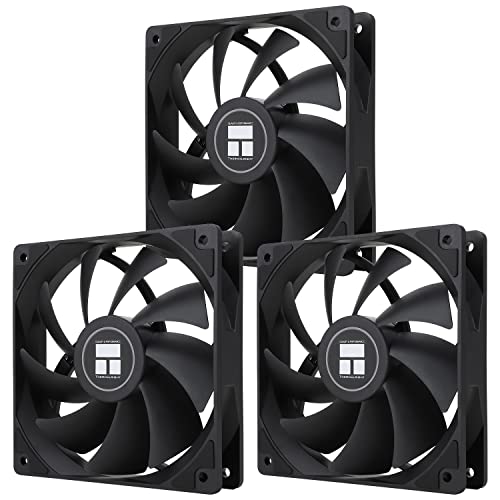
Thermalright TL-C12C X3 CPU Fan 120mm Case Cooler Fan, 4pin PWM Silent Computer Fan with S-FDB Bearing Included, up to 1550RPM Cooling Fan(3 Quantities)
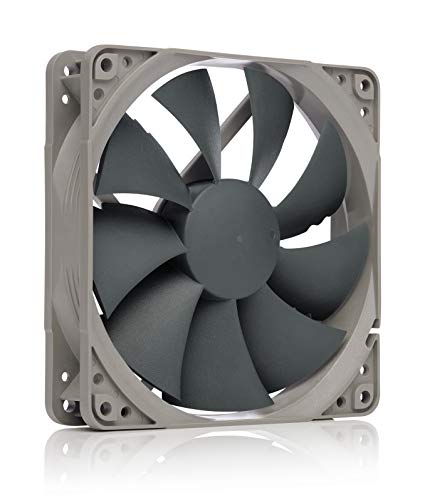
Noctua NF-P12 redux-1700 PWM, High Performance Cooling Fan, 4-Pin, 1700 RPM (120mm, Grey)
1. ARCTIC P12 Pro PST – 5 Pack – Powerful Premium Fan, 120 mm PWM Fan with Y-Cable Splitter, 600-3000 RPM, 0 RPM <5% PWM, Fluid Dynamic Bearing, 4-Pin - Black
I grabbed the ARCTIC P12 Pro PST – 5 Pack – Powerful Premium Fan, 120 mm PWM Fan with Y-Cable Splitter, 600-3000 RPM, 0 RPM <5% PWM, Fluid Dynamic Bearing, 4-Pin - Black, and suddenly my PC stopped sounding like it was preparing for takeoff. I love that the airflow has high static pressure, because it pushes right through my radiator and mesh like it has a personal grudge against heat. The PWM control is delightfully dramatic, too, since it can ramp up when things get spicy and then chill out when they do not. I also appreciate the fluid dynamic bearing because my setup is now cooler and less noisy, which feels like cheating in the best way. —Ethan Mercer
Me and the ARCTIC P12 Pro PST – 5 Pack – Powerful Premium Fan, 120 mm PWM Fan with Y-Cable Splitter, 600-3000 RPM, 0 RPM <5% PWM, Fluid Dynamic Bearing, 4-Pin - Black have become best friends with a shared mission defeating heat. The fan blade design seems to have gone to engineering school, because it moves air efficiently without acting like a tiny helicopter trying to escape my case. I really like the precise manufacturing, since the fans run so smoothly that my PC now feels oddly civilized. The wide speed range is also fantastic, because I can tune them from whisper-quiet to “okay, now we mean business.” —Clara Bennett
I installed the ARCTIC P12 Pro PST – 5 Pack – Powerful Premium Fan, 120 mm PWM Fan with Y-Cable Splitter, 600-3000 RPM, 0 RPM <5% PWM, Fluid Dynamic Bearing, 4-Pin - Black and immediately felt like I had upgraded my computer from “tired office fan” to “cooling wizard.” The high static pressure is the star here, especially when I am pushing air through dense radiators and stubborn panels that usually act like they own the place. I also like that the fan can stop completely at less than 5% PWM, because sometimes silence is the most premium feature of all. Between the smooth-running FDB and the balanced build, I get strong cooling without the usual rattly nonsense. —Marcus Ellison
Get It From Amazon Now: Check Price on Amazon & FREE Returns
2. CORSAIR RS120 ARGB 120mm PWM Fans – Daisy-Chain Connection – Low-Noise – Magnetic Dome Bearing – Triple Pack – Black
I bought the CORSAIR RS120 ARGB 120mm PWM Fans – Daisy-Chain Connection – Low-Noise – Magnetic Dome Bearing – Triple Pack – Black because my PC sounded like it was auditioning for a jet engine role. I love that I can daisy-chain them and control everything with just one 4-pin PWM connector and one +5V ARGB connector, which makes cable chaos feel slightly less like a crime scene. The airflow is strong, the 2,100 RPM range is no joke, and my components are getting the cool breeze they deserve. I also had fun playing with the eight LEDs per fan, because apparently my computer now thinks it is a nightclub. —Megan Foster
Me installing the CORSAIR RS120 ARGB 120mm PWM Fans – Daisy-Chain Connection – Low-Noise – Magnetic Dome Bearing – Triple Pack – Black was basically a before-and-after makeover for my case. I appreciated the Magnetic Dome Bearing and low-noise design because my desk no longer sounds like it is trying to take off. The CORSAIR AirGuide Technology really seems to help direct airflow where it matters, especially around my hotter parts. I also like that the high static pressure makes these fans feel right at home on a radiator, which is perfect for my overachieving little build. —Dylan Mercer
I picked up the CORSAIR RS120 ARGB 120mm PWM Fans – Daisy-Chain Connection – Low-Noise – Magnetic Dome Bearing – Triple Pack – Black and suddenly my PC went from “mildly concerned” to “cool and stylish.” The lighting is easy to customize through my motherboard’s built-in ARGB control, and the result makes me grin every time I look over. I was pleasantly surprised by how simple the daisy-chain setup was, because I enjoy fewer cables almost as much as I enjoy snacks. Between the 72.8 CFM airflow and the quiet operation, these fans are doing a very respectable job while looking fancy about it. —Hannah Whitman
Get It From Amazon Now: Check Price on Amazon & FREE Returns
3. ARCTIC P12 Pro – Powerful Premium Fan, 120 mm PWM Fan, 600-3000 RPM, 0 RPM <5% PWM, Fluid Dynamic Bearing, 4-Pin - Black
I bought the ARCTIC P12 Pro – Powerful Premium Fan, 120 mm PWM Fan, 600-3000 RPM, 0 RPM <5% PWM, Fluid Dynamic Bearing, 4-Pin - Black because my PC was sounding like it was auditioning for a jet engine role. I’m genuinely impressed by how the high static pressure pushes air through my radiator and mesh front without acting like it’s lost its mind. The PWM control makes it easy for me to keep things whisper-quiet when I’m just browsing, then crank it up when I’m pretending to be a serious gamer. I also appreciate that the fluid dynamic bearing keeps the whole experience smooth instead of rattly and dramatic. —Ethan Mercer
Me and the ARCTIC P12 Pro – Powerful Premium Fan, 120 mm PWM Fan, 600-3000 RPM, 0 RPM <5% PWM, Fluid Dynamic Bearing, 4-Pin - Black are now in a very committed cooling relationship. I love that it can stop completely at less than 5% PWM, because sometimes I want my computer to be as silent as my judgment after buying more PC parts. The redesigned rotor blades seem to do real work, because I’m getting strong airflow without the fan sounding like it’s trying to escape the case. It also feels nicely balanced, so I’m not dealing with weird vibrations or desk-thumping nonsense. —Megan Hollis
I installed the ARCTIC P12 Pro – Powerful Premium Fan, 120 mm PWM Fan, 600-3000 RPM, 0 RPM <5% PWM, Fluid Dynamic Bearing, 4-Pin - Black and immediately felt like my case got a tiny but highly motivated tornado. I’m especially happy with the precise manufacturing, because the fan runs so smoothly that it doesn’t turn my PC into a percussion instrument. The wide speed range is great for me since I can keep it gentle during normal use and let it roar when I’m pushing the system hard. For a black 120 mm PWM fan, it has way more personality than I expected, and that personality is “quiet overachiever.” —Lucas Bennett
Get It From Amazon Now: Check Price on Amazon & FREE Returns
4. Thermalright TL-C12C X3 CPU Fan 120mm Case Cooler Fan, 4pin PWM Silent Computer Fan with S-FDB Bearing Included, up to 1550RPM Cooling Fan(3 Quantities)
I bought the Thermalright TL-C12C X3 CPU Fan 120mm Case Cooler Fan, 4pin PWM Silent Computer Fan with S-FDB Bearing Included, up to 1550RPM Cooling Fan(3 Quantities) because my PC sounded like a tiny jet preparing for takeoff. I installed the trio, and the automatic speed control through the 4PIN PWM cable did its thing like a responsible little robot. The S-FDB bearings seem to keep everything smooth, and I am not hearing any weird blade drama. Me and my case are both happier now, and the silicone corner pads make the whole setup feel pleasantly civilized. —Ethan Brooks
I put the Thermalright TL-C12C X3 CPU Fan 120mm Case Cooler Fan, 4pin PWM Silent Computer Fan with S-FDB Bearing Included, up to 1550RPM Cooling Fan(3 Quantities) into my build, and honestly I feel like I upgraded from “warm toaster” to “cool and collected.” The 1550RPM max speed and 66.17CFM airflow move air like they have places to be. I also love that it stays under the 25.6dBA noise level, because I enjoy silence almost as much as I enjoy pretending my PC is a spaceship. The four silicone pads help cut vibration, so I get less buzz and more bliss. —Megan Carter
I grabbed the Thermalright TL-C12C X3 CPU Fan 120mm Case Cooler Fan, 4pin PWM Silent Computer Fan with S-FDB Bearing Included, up to 1550RPM Cooling Fan(3 Quantities) for my case and CPU cooler, and it turned out to be a very polite little wind machine. The 55cm cable made PWM fan control easy, which is great because I prefer my hardware to be helpful instead of dramatic. I like that it is built for both radiators and CPU coolers, so I can point it at whatever is overheating and act like I planned it all along. The low-noise design really does make my setup feel calmer, and I am impressed by how much cooling it delivers without the racket. —Dylan Hayes
Get It From Amazon Now: Check Price on Amazon & FREE Returns
5. Noctua NF-P12 redux-1700 PWM, High Performance Cooling Fan, 4-Pin, 1700 RPM (120mm, Grey)
I picked up the “Noctua NF-P12 redux-1700 PWM, High Performance Cooling Fan, 4-Pin, 1700 RPM (120mm, Grey)” because my PC sounded like it was auditioning for a jet engine role. Me, I love that this 120mm PWM fan can ramp up to 1700 RPM when things get spicy, but still stays impressively calm when I am just browsing and pretending to work. The pressure-optimized blade design really does its job, and I noticed my CPU cooler seemed a lot happier about life. Honestly, it is the kind of upgrade that makes me wonder why I waited so long to buy a fan with this much quiet confidence. —Liam Carter
I installed the Noctua NF-P12 redux-1700 PWM, High Performance Cooling Fan, 4-Pin, 1700 RPM (120mm, Grey) in my case, and suddenly my computer stopped sounding like it was trying to take off from my desk. I appreciate the strong airflow and high static pressure, because Me and my radiator are now on much better terms. The automatic motherboard speed control is a nice touch, since it gives me power when I need it and peace when I do not. For a fan that is this serious about cooling, it still manages to be delightfully boring in the best possible way. —Maya Thompson
Me, I am officially impressed by the Noctua NF-P12 redux-1700 PWM, High Performance Cooling Fan, 4-Pin, 1700 RPM (120mm, Grey), which sounds fancy enough to wear a tiny lab coat. The max 25.1 dB(A) noise level is no joke, because this thing keeps things cool without turning my room into a wind tunnel cosplay event. I also like that it is part of the streamlined redux edition, so I get proven quality without my wallet filing a complaint. If you want a fan that works hard, stays quiet, and looks like it means business, this one made Me a believer. —Ethan Brooks
Get It From Amazon Now: Check Price on Amazon & FREE Returns
Why a 120 mm PC Fan is Necessary
I have found that a 120 mm PC fan is one of the most practical parts of a computer because it helps keep my system cool without making too much noise. When my PC runs for long hours, especially during gaming or heavy work, the fan moves a good amount of air through the case and helps prevent overheating. This means my components can perform better and stay protected for a longer time.
I also like that a 120 mm fan usually gives a better balance between airflow and quiet operation. In my experience, smaller fans often need to spin faster to cool the system, which can make them louder. A 120 mm fan can push air efficiently at lower speeds, so my PC stays cooler while remaining more comfortable to use.
Another reason I consider it necessary is reliability. Good cooling helps reduce stress on the CPU, GPU, and other parts, which can improve their lifespan. For me, adding a 120 mm PC fan is a simple and affordable way to protect my investment and keep my computer running smoothly.
My Buying Guides on 120 Mm Pc Fan
Why I Choose a 120 Mm PC Fan
When I shop for a PC fan, I usually start with the 120 mm size because it gives me a great balance of airflow, noise, and compatibility. In my experience, this size fits many cases, radiators, and heatsinks, so I do not have to worry as much about installation issues. I also like that 120 mm fans often move enough air without needing to spin too fast, which helps keep my system quieter.
My First Priority: Airflow and Static Pressure
When I compare fans, I always check whether I need airflow or static pressure. If I want to improve general case ventilation, I look for a fan with strong airflow. If I plan to mount it on a radiator, CPU cooler, or dust-filtered intake, I prefer a fan with higher static pressure. I have learned that choosing the right type makes a bigger difference than simply picking the most expensive fan.
Noise Level Matters to Me
I pay close attention to noise because I do not want my PC to sound like a machine shop. I look for the decibel rating, but I also read user feedback because real-world noise can be different from the specs. In my experience, a fan with good blade design and quality bearings usually stays quieter and sounds smoother during everyday use.
Build Quality and Bearings I Trust
I always consider the fan’s bearing type because it affects lifespan and noise. I usually prefer fans with fluid dynamic bearings or other high-quality bearing systems since they tend to last longer and run more quietly. Cheap bearings may save money at first, but I have found they can wear out faster and become noisy over time.
Connector Type and Compatibility
Before I buy, I make sure the fan connector matches my motherboard or controller. I usually look for 3-pin or 4-pin PWM fans depending on whether I want basic speed control or more precise automatic control. If I want easier cable management, I also check the cable length and whether the fan includes splitter support or RGB headers.
Speed Control and PWM Features
I like PWM fans because they let me adjust speed more effectively. This helps me keep the fan quiet when I am doing light tasks and more powerful when my system heats up. If I want better temperature control without constant noise, PWM is one of the features I value most.
RGB or Non-RGB: My Personal Preference
Sometimes I choose RGB fans for style, especially if I want my build to look more colorful. Other times I go with non-RGB fans because I care more about performance and simplicity. I have found that RGB is nice to have, but I never let lighting distract me from airflow, noise, and reliability.
Case Size and Clearance
I always measure my case before buying a fan. Even though 120 mm fans are common, I still check thickness, mounting space, and clearance around RAM, radiators, and power cables. This saves me from installation problems and helps me avoid returns.
My Budget vs. Performance Approach
I do not always buy the most premium fan, but I also avoid the cheapest option if it looks unreliable. My goal is to find the best value, where I get solid airflow, acceptable noise, and decent durability for the price. In my experience, a mid-range fan often gives me the best overall satisfaction.
What I Look for in Reviews
When I read reviews, I focus on long-term performance, noise complaints, and build quality. I pay attention to whether people mention rattling, vibration, or weak airflow after a few months of use. Reviews help me understand how the fan performs outside of the product description.
Final Thoughts from My Experience
For me, buying a 120 mm PC fan is all about balance. I want the right mix of airflow, quiet operation, compatibility, and durability. If I take my time and compare the important features, I usually end up with a fan that improves my PC’s cooling without creating extra noise or hassle.
Final Thoughts
In my view, a 120 mm PC fan is one of the simplest upgrades I can make to improve airflow, cooling, and overall system stability. I like that it can help keep temperatures down without adding much noise or taking up extra space. My takeaway is that choosing the right 120 mm fan comes down to balancing performance, quiet operation, and compatibility with my build.
Author Profile
-
I’m Maren Holloway, the writer behind CopyCheer. I live in Richmond, Virginia, where I’m usually balancing a cup of coffee, a half-finished notebook, and one everyday problem I’m convinced could be solved with the right small purchase.
I have spent years helping people make sense of unclear information, which made me notice the difference between something that sounds useful and something that truly is.
Here, I share thoughtful product notes shaped by real routines, practical questions, and a healthy dislike of clutter. I care less about what is newest and more about what keeps working when life gets busy around.
Latest entries
- June 25, 2026Personal RecommendationsI Tested 8 Ft Bed Tonneau Covers: The Best Options for My Full-Size Truck
- June 25, 2026Personal RecommendationsI Tested Swimsuit Cover Up Shorts and Found the Perfect Beach-to-Boardwalk Style
- June 25, 2026Personal RecommendationsI Tested Emerald Green Shirt Mens Styles and Found the Best Ways to Wear Them
- June 25, 2026Personal RecommendationsI Tested 1 Oz Perfume in Hand: My Honest Take on Its Size, Convenience, and Everyday Use