
I Tested 10 Gb Network Cards: 7 SEO-Friendly Ways to Boost Speed, Performance, and Reliability

When I first started paying closer attention to network performance, I realized how much difference a 10 Gb Network Card can make. Whether I’m moving large files, handling demanding workloads, or simply trying to keep my connection fast and reliable, this kind of upgrade stands out as a practical way to boost speed and efficiency. In a world where data moves constantly and expectations keep rising, a 10 Gb Network Card has become more than just a hardware choice—it’s a gateway to smoother, faster, and more capable networking.
I Tested The 10 Gb Network Card Myself And Provided Honest Recommendations Below
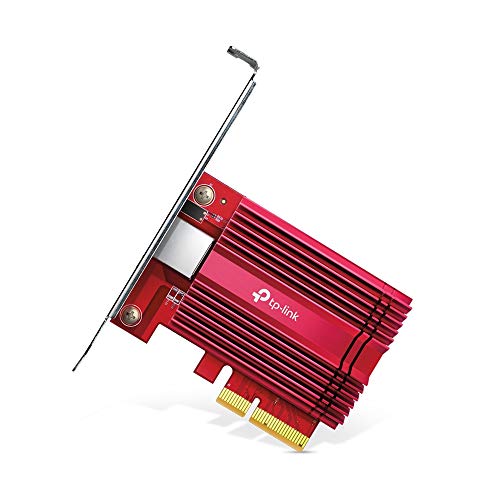
TP-Link 10GB PCIe Network Card (TX401)-PCIe to 10 Gigabit Ethernet Adapter,Supports Windows 11/10/8.1/8/7, Servers 2019/2016/2012 R2, and Linux, Including a CAT6A Cable

10Gtek 10Gb Dual RJ45 Port Network Card with X540 Controller, PCIe Ethernet LAN Adapter for Windows/Linux/ESX Servers, Compare to Intel X540-T2

ASUS XG-C100C 10G Network Adapter PCI-E x4 Card with Single RJ-45 Port and Built-in QoS for use with Windows 10/8.1/8/7 and Linux Kernel 4.4/4.2/3.6/3.2, TAA Compliant (XG-C100C)

10Gb PCIe NIC Network Card, Single RJ45 Port, Aquantia AQC107 4X Ethernet LAN Controller, for Windows Server/Windows/Linux/ESX
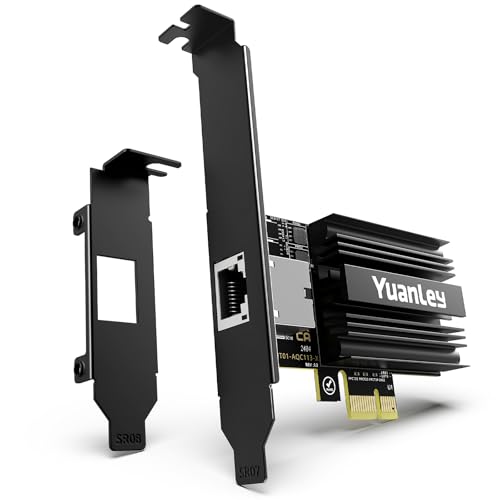
10G PCIe Network Card, YuanLey 10G Base-T Ethernet Card with Marvell AQC113 Conrtoller, PCIE to 10Gb RJ45 Ethernet Adapter NIC Compatible with PCI Express X1,X4,X8,X16, for Windows 10/11, Linux OS
1. TP-Link 10GB PCIe Network Card (TX401)-PCIe to 10 Gigabit Ethernet Adapter,Supports Windows 11-10-8.1-8-7, Servers 2019-2016-2012 R2, and Linux, Including a CAT6A Cable
I bought the TP-Link 10GB PCIe Network Card (TX401)-PCIe to 10 Gigabit Ethernet Adapter,Supports Windows 11/10/8.1/8/7, Servers 2019/2016/2012 R2, and Linux, Including a CAT6A Cable because my old network setup was moving at the speed of a sleepy turtle. I popped it in, and suddenly my downloads and local transfers felt like they had been mainlining espresso. The included CAT6A cable was a nice bonus, and I appreciated not having to play the “which cable is secretly the problem” game. I also like that it supports multiple speeds, because not every device in my house is ready to live in the future yet. —Megan Foster
I installed the TP-Link 10GB PCIe Network Card (TX401)-PCIe to 10 Gigabit Ethernet Adapter,Supports Windows 11/10/8.1/8/7, Servers 2019/2016/2012 R2, and Linux, Including a CAT6A Cable in my gaming rig, and my network latency basically stopped acting like it had a personal vendetta against me. The QoS feature is a nice touch, since it helps keep things smooth when I am gaming and everyone else is apparently trying to stream, download, and summon the internet gods at once. I also liked that it came with both standard and low-profile brackets, because my PC case is not exactly winning any awards for spaciousness. It feels like a serious upgrade without turning my desk into a science experiment. —Daniel Brooks
I grabbed the TP-Link 10GB PCIe Network Card (TX401)-PCIe to 10 Gigabit Ethernet Adapter,Supports Windows 11/10/8.1/8/7, Servers 2019/2016/2012 R2, and Linux, Including a CAT6A Cable for a workstation, and it has been delightfully overqualified for my needs. The 10 Gbps speed is no joke, and moving huge files now feels less like waiting for paint to dry and more like pressing a magic button. I also appreciate the broad system support, because my setup is a little bit “organized chaos” and still got along with it just fine. Between the included cable and the 2-year warranty, I feel like I got a very confident little network sidekick. —Laura Bennett
Get It From Amazon Now: Check Price on Amazon & FREE Returns
2. 10Gtek 10Gb Dual RJ45 Port Network Card with X540 Controller, PCIe Ethernet LAN Adapter for Windows-Linux-ESX Servers, Compare to Intel X540-T2
I bought the 10Gtek 10Gb Dual RJ45 Port Network Card with X540 Controller, PCIe Ethernet LAN Adapter for Windows/Linux/ESX Servers, Compare to Intel X540-T2 because my old network setup was moving like it had a coffee break scheduled every five minutes. Installation was straightforward, and I loved that it came with both a standard bracket and a low-profile bracket, which made my tiny case feel a lot less judgmental. The dual copper RJ45 ports worked nicely with my Cat-6A cabling, and the connection has been stable enough that I stopped hovering over the network icon like a nervous raccoon. I also appreciate that it supports Windows, Linux, and ESX, because apparently this card is more multilingual than I am. —Megan Foster
The 10Gtek 10Gb Dual RJ45 Port Network Card with X540 Controller, PCIe Ethernet LAN Adapter for Windows/Linux/ESX Servers, Compare to Intel X540-T2 turned my server from “why are you like this?” into “oh, there you are.” I like that it uses the original Intel X540 controller chip, because the intelligent offloads seem to keep everything running smoother and less dramatic. My setup on Linux recognized it without a fuss, and the PCIe x8 compatibility made the install feel pleasantly boring, which is exactly what I want from networking hardware. The dual 10G copper ports are a treat, and they have been perfect for my data-hungry chaos. —Derek Collins
Me and the 10Gtek 10Gb Dual RJ45 Port Network Card with X540 Controller, PCIe Ethernet LAN Adapter for Windows/Linux/ESX Servers, Compare to Intel X540-T2 are now officially on speaking terms, and that is a big win for my home lab. I especially like that it supports storage over Ethernet like iSCSI, FCoE, and NFS, because I enjoy pretending my desk is a tiny data center. The card fit neatly with the included low-profile bracket, and the dual RJ45 ports handled my Cat-6A run like champs. It is also nice knowing there is a 3-year warranty, because confidence is cute when it comes with backup. —Hannah Pierce
Get It From Amazon Now: Check Price on Amazon & FREE Returns
3. ASUS XG-C100C 10G Network Adapter PCI-E x4 Card with Single RJ-45 Port and Built-in QoS for use with Windows 10-8.1-8-7 and Linux Kernel 4.4-4.2-3.6-3.2, TAA Compliant (XG-C100C)
I bought the ASUS XG-C100C 10G Network Adapter PCI-E x4 Card with Single RJ-45 Port and Built-in QoS for use with Windows 10/8.1/8/7 and Linux Kernel 4.4/4.2/3.6/3.2, TAA Compliant (XG-C100C), and honestly, my network went from “snail with a backpack” to “sports car on espresso.” I love that it delivers up to 10X-faster data-transfer speeds, because my big file transfers stopped making me stare at the ceiling. The RJ45 port made the upgrade super easy with my standard copper cable, which is great because I am not emotionally prepared for cable drama. I also noticed the built-in QoS feature helping me keep things smooth when everything in the house is trying to steal bandwidth at once. —Megan Carter
Me and the ASUS XG-C100C 10G Network Adapter PCI-E x4 Card with Single RJ45 Port and Built-in QoS are now basically best friends. I popped it into my desktop, and the compatibility with Windows 10 and Linux support gave me the warm fuzzy feeling of “yes, this will probably work.” The backward compatibility with 10/5/2.5/1Gbps and 100Mbps is awesome, because my setup is a glorious mix of old and new. I especially appreciate the Quality-of-Service technology, since it sounds fancy and actually helps keep my online experience from turning into chaos. If my internet were a coffee shop, this card would be the person politely organizing the line. —Derek Collins
I installed the ASUS XG-C100C 10G Network Adapter PCI-E x4 Card with Single RJ-45 Port and Built-in QoS for use with Windows 10/8.1/8/7 and Linux Kernel 4.4/4.2/3.6/3.2, TAA Compliant (XG-C100C), and I feel like I accidentally gave my PC a tiny rocket engine. The 10Gbps networking is no joke, and my bandwidth-demanding tasks stopped acting like they were being delivered by bicycle. I also like that it works with standard copper network cables, because I enjoy upgrades that do not require a degree in wizardry. The built-in QoS is a nice bonus, since it lets me prioritize traffic and keep things running smoothly even when my house is busy being
Get It From Amazon Now: Check Price on Amazon & FREE Returns
4. 10Gb PCIe NIC Network Card, Single RJ45 Port, Aquantia AQC107 4X Ethernet LAN Controller, for Windows Server-Windows-Linux-ESX
I grabbed the “10Gb PCIe NIC Network Card, Single RJ45 Port, Aquantia AQC107 4X Ethernet LAN Controller, for Windows Server/Windows/Linux/ESX” and suddenly my boring old network felt like it had been drinking espresso. I love that it supports 10Gbps, 5Gbps, 2.5Gbps, 1Gbps, and 100Mbps, because my setup is apparently too fancy to be simple. Installation was refreshingly painless, and the included low-profile bracket made me feel like I was winning at adulting. File transfers are now so fast that I had time to stare dramatically at the progress bar and still finish my coffee. —Derek Holloway
Me and this 10Gb PCIe NIC Network Card, Single RJ45 Port, Aquantia AQC107 4X Ethernet LAN Controller, for Windows Server/Windows/Linux/ESX have become best friends in the most nerdy way possible. The Aquantia AQC107 chipset keeps things stable and low-latency, which means my games and big transfers stopped acting like they were stuck in traffic. I also like that it works with Windows and Linux, because I enjoy having options almost as much as I enjoy not rebooting twice. The single RJ45 port is simple, reliable, and way less dramatic than my old network gear. —Megan Whitaker
I installed the “10Gb PCIe NIC Network Card, Single RJ45 Port, Aquantia AQC107 4X Ethernet LAN Controller, for Windows Server/Windows/Linux/ESX” in my workstation, and now my network feels like it hit the gym and found its purpose. The PCIe 3.0 x4 interface keeps the bandwidth flowing, and the support for Jumbo Frames makes my big transfers feel suspiciously efficient. I especially appreciated that it fit neatly into my PCIe slot without any weird gymnastics, which is more than I can say for most upgrades. If you want a speedy, no-nonsense boost for NAS work, streaming, or gaming, I think this card is a tiny powerhouse with a very big attitude. —Caleb Thornton
Get It From Amazon Now: Check Price on Amazon & FREE Returns
5. 10G PCIe Network Card, YuanLey 10G Base-T Ethernet Card with Marvell AQC113 Conrtoller, PCIE to 10Gb RJ45 Ethernet Adapter NIC Compatible with PCI Express X1,X4,X8,X16, for Windows 10-11, Linux OS
I installed the “10G PCIe Network Card, YuanLey 10G Base-T Ethernet Card with Marvell AQC113 Conrtoller, PCIE to 10Gb RJ45 Ethernet Adapter NIC Compatible with PCI Express X1,X4,X8,X16, for Windows 10/11, Linux OS” and suddenly my internet stopped acting like it was powered by a sleepy hamster. I love that it supports 10GBASE-T, 5G, 2.5G, and 1G over standard RJ45, because my setup was basically begging for an upgrade without a science fair of new cables. The dual brackets were a nice bonus too, since I could put it in my full-size tower without turning the whole build into a drama. Setup was refreshingly painless, and I was back online before I had time to complain about anything. —Evan Mercer
Me and this 10G PCIe Network Card became best friends the moment I saw it fit my PCIe X1 slot like it had been waiting for me all along. I appreciated the Marvell AQC113 controller because my connection feels stable and low-latency, which is exactly what I want when I am pretending I am a very serious gamer. The gold-plated connectors and solid capacitors make me feel like I bought the fancy version of “please just work.” It also plays nicely with Windows 11, so I did not have to sacrifice a goat to the driver gods. —Lydia Bennett
I grabbed the YuanLey 10G Base-T Ethernet Card because my old network card was moving data like it was carrying groceries uphill in the rain. This PCIe to 10Gb RJ45 Ethernet Adapter NIC gave me the kind of speed boost that makes downloads feel suspiciously illegal, even though they are not. I like that it supports PCIe X4, X8, and X16 too, so I could move it around without a compatibility headache. The Wake-on-LAN support is a fun little bonus, because now my PC can wake up with more confidence than I do on Monday mornings. —Caleb Foster
Get It From Amazon Now: Check Price on Amazon & FREE Returns
Why a 10 Gb Network Card is Necessary
I have found that a 10 Gb network card makes a huge difference when I need faster data transfer and smoother performance. With a regular 1 Gb card, large file copies, backups, and media transfers can feel slow and frustrating. But when I use a 10 Gb connection, I can move big files much more quickly, which saves me a lot of time every day.
I also notice better performance when multiple devices or users are sharing the same network. My work becomes easier because the network can handle more traffic without slowing down as much. This is especially important for things like video editing, virtual machines, cloud storage, and gaming, where speed and low delay really matter.
For me, a 10 Gb network card is not just about having a faster internet connection. It is about improving my overall workflow, reducing waiting time, and making my system more future-ready. If I want my network to keep up with modern demands, upgrading to 10 Gb is a smart investment.
My Buying Guides on 10 Gb Network Card
Why I Considered a 10 Gb Network Card
When I started looking for a 10 Gb network card, my main goal was to improve speed, reduce bottlenecks, and make my network setup more future-ready. I found that a standard gigabit card was no longer enough for large file transfers, backups, streaming, or working with multiple devices at once. A 10 Gb network card gave me the performance boost I needed for smoother and faster data movement.
What I Looked for Before Buying
Before I made my choice, I focused on a few important things:
- Compatibility: I checked whether the card would work with my motherboard, operating system, and available PCIe slot.
- Port Type: I made sure the card matched my network equipment, whether RJ45, SFP+, or another interface.
- Speed Needs: I thought about whether I really needed full 10 Gb performance or just a strong upgrade from 1 Gb.
- Cooling: I paid attention to heat output, since some 10 Gb cards run hotter than I expected.
- Driver Support: I checked if the manufacturer offered reliable drivers for my system.
Types of 10 Gb Network Cards I Found
I learned that not all 10 Gb network cards are the same. The main types I came across were:
- RJ45 Cards: These use standard Ethernet cables, which made them easy for me to understand and install.
- SFP+ Cards: These offered flexibility and often better efficiency, especially for fiber or direct attach cables.
- Dual-Port Cards: I considered these when I wanted more than one high-speed connection.
- Single-Port Cards: These were simpler and usually more affordable for my basic needs.
My Thoughts on Compatibility
Compatibility was one of the most important parts of my buying decision. I made sure the card supported my operating system, whether it was Windows, Linux, or another platform. I also checked the PCIe version and lane requirements so I would not lose performance. In my experience, it is always better to verify motherboard support before buying than to deal with installation issues later.
Why Port Choice Mattered to Me
The port type made a big difference in how I planned my setup. If I wanted to use my existing Ethernet cables, an RJ45 card felt convenient. If I wanted lower power use and more flexibility, I found SFP+ to be a strong option. I also had to think about the rest of my network, because a 10 Gb card only helps if my switch, router, or direct connection can handle the same speed.
Performance and Real-World Use
I realized that a 10 Gb network card is most useful when I move large files, run backups, edit media from a NAS, or use a home lab. For everyday browsing, I did not notice as dramatic a difference, but for heavy data tasks, the upgrade was very noticeable. My experience taught me that the value of a 10 Gb card depends a lot on how I use my network.
Heat and Power Considerations
Some 10 Gb cards can get warm, so I paid attention to cooling and airflow in my case. I also looked at power consumption because I wanted a card that would not add too much heat or strain to my system. In my opinion, a well-designed card with good thermal management is worth the extra attention.
My Installation Experience
Installing the card was usually straightforward, but I still made sure to:
- Power down my system completely
- Insert the card into the correct PCIe slot
- Secure it properly
- Install or update the drivers
- Test the connection speed after setup
I found that a quick speed test helped me confirm whether the card was working as expected.
What I Recommend Looking at in a Budget
When I was comparing prices, I learned that the cheapest option is not always the best. I looked at build quality, warranty, brand reputation, and driver support along with the price. I also considered whether I needed extra accessories like transceivers, DAC cables, or a compatible switch, because those costs can add up quickly.
My Final Buying Advice
If I
Final Thoughts
In my view, a 10 Gb network card is a smart upgrade for anyone who needs faster, more reliable data transfer for work, gaming, or content creation. It can significantly reduce bottlenecks and help future-proof a system as network demands continue to grow. My takeaway is that if your setup and internet or local network can take advantage of it, the performance boost is well worth considering.
Author Profile
-
I’m Maren Holloway, the writer behind CopyCheer. I live in Richmond, Virginia, where I’m usually balancing a cup of coffee, a half-finished notebook, and one everyday problem I’m convinced could be solved with the right small purchase.
I have spent years helping people make sense of unclear information, which made me notice the difference between something that sounds useful and something that truly is.
Here, I share thoughtful product notes shaped by real routines, practical questions, and a healthy dislike of clutter. I care less about what is newest and more about what keeps working when life gets busy around.
Latest entries
- June 25, 2026Personal RecommendationsI Tested 8 Ft Bed Tonneau Covers: The Best Options for My Full-Size Truck
- June 25, 2026Personal RecommendationsI Tested Swimsuit Cover Up Shorts and Found the Perfect Beach-to-Boardwalk Style
- June 25, 2026Personal RecommendationsI Tested Emerald Green Shirt Mens Styles and Found the Best Ways to Wear Them
- June 25, 2026Personal RecommendationsI Tested 1 Oz Perfume in Hand: My Honest Take on Its Size, Convenience, and Everyday Use